
LONDON, UK – Last week the RSPB stood on stage at the Solar Energy UK Utility Scale Forum and named Elements Green as one of the developers it works with on nature recovery. We were in the room to hear it, alongside developers, policymakers and conservation experts covering everything from community benefit to grid reform to new technology.
Why we go
Utility-scale solar only works long-term if it earns and keeps public trust. That means treating community benefit and environmental responsibility as core to how a project is built, not something added on afterwards. The Forum’s agenda reflected that same balance: sessions on community benefits and shared ownership sat alongside sessions on grid reform, Contracts for Difference, and co-locating solar with battery storage. Being in the room for both conversations, not just one, is why membership of Solar Energy UK matters to us.
A moment worth sharing
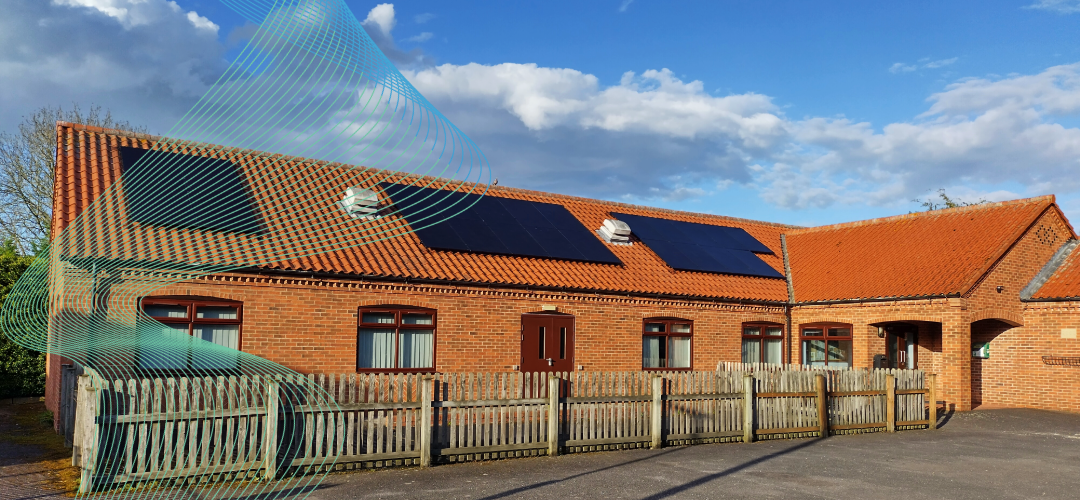
One of the highlights of the day was the RSPB’s presentation on business conservation advice, in which Elements Green was named alongside Lightrock Power and Econergy. The RSPB shared that its partnership work across our combined sites now covers more than 2,000 hectares, with an average Biodiversity Net Gain of around 99%. In practice, that means wildflower meadows, hedgerows and ponds on land that used to be arable farmland, and species such as Yellowhammer and Linnet benefiting as a result. The recognition was particularly encouraging given the scale of the work involved, with Elements Green contributing to projects across more than 2,000 hectares and helping demonstrate how large-scale solar can actively support nature recovery.
Where the industry is heading
The rest of the day covered where the sector is going next. Discussions on co-locating solar with battery energy storage systems (BESS) worked through practical questions developers are facing, from metering to how risk is allocated between solar and storage assets. There was a first look at “Cyber Farms,” the industry’s emerging focus on cybersecurity for solar and energy assets, plus updates on grid connection reform, the Contracts for Difference process ahead of AR8, and the sector’s Clean Energy Industries plan.
Community benefit was a recurring theme throughout the Forum. As debate continues around the future direction of Government policy, it was clear that communities increasingly expect renewable energy projects to deliver tangible and lasting local value. At Elements Green, we believe community benefit should be viewed as an integral part of project development rather than a compliance exercise, helping create long-term partnerships with the people and places hosting infrastructure.
Biodiversity Net Gain (BNG) also featured prominently, with implementation for Nationally Significant Infrastructure Projects (NSIPs) due from November 2026. Discussions highlighted how biodiversity is increasingly being treated as a strategic consideration within project development, reinforcing the importance of delivering environmental improvements alongside clean energy generation.
The Forum also showcased growing evidence of nature-positive solar. Research presented through the Solar Habitat initiative recorded thousands of birds, pollinators, plants and other species across operational solar sites, helping strengthen the evidence that well-managed solar developments can support significant ecological enhancement while continuing to generate renewable electricity.
Grid reform remains one of the sector’s most pressing challenges. Developers and industry representatives raised concerns around connection delays, escalating costs and the treatment of co-located projects. With policymakers actively seeking further industry evidence, it is clear that delivering faster, more certain grid connections will be critical if the UK is to meet its clean energy ambitions.
Discussions around Contracts for Difference (CfD) highlighted the importance of project readiness and delivery discipline. Once contracts are awarded, milestone obligations become legally binding and require robust evidence throughout the development and construction process. The session also reinforced the value of proactive engagement with delivery partners and contract managers when navigating challenges outside a developer’s control.
Skills and workforce development were another important focus. Government representatives outlined plans to expand training, work experience and employment opportunities for young people through the Youth Guarantee programme. As the energy transition accelerates, initiatives like these will be increasingly important in helping local communities access the jobs and careers created by the sector.
Responsible sourcing and end-of-life management also remain high on the industry’s agenda. Solar Energy UK working groups are continuing to explore traceability, recycling pathways, panel reuse and decommissioning standards, reflecting growing expectations around sustainability across the entire lifecycle of renewable energy projects.
One of the more thought-provoking sessions explored how future solar farms could support automated food production alongside renewable energy generation. While still at an early stage, the concept demonstrated how solar sites may increasingly deliver multiple benefits from the same land, combining clean energy, biodiversity enhancement and agricultural productivity.
What comes next
The Forum reinforced something we already believe: successful solar development depends on balancing energy security, nature recovery and community value. Whether the discussion was biodiversity, skills, grid reform, responsible sourcing or emerging technologies, the common theme was clear – the projects that succeed will be those that deliver benefits beyond megawatts alone.
Days like this confirm the direction we’re already working in: building solar responsibly, working alongside organisations like the RSPB, and staying close to the communities hosting our projects, while keeping pace with the policy and technology shifts coming next. We’ll keep showing up, and keep working to get that balance right.