
Solar parks can divide opinion and that is understandable. Changes to the countryside matter, and concerns about landscape are genuine and must be taken seriously. But when we talk about solar, it is also worth looking at what happens to the ground underneath the panels, where some surprisingly positive changes can take place.
The land before the panels
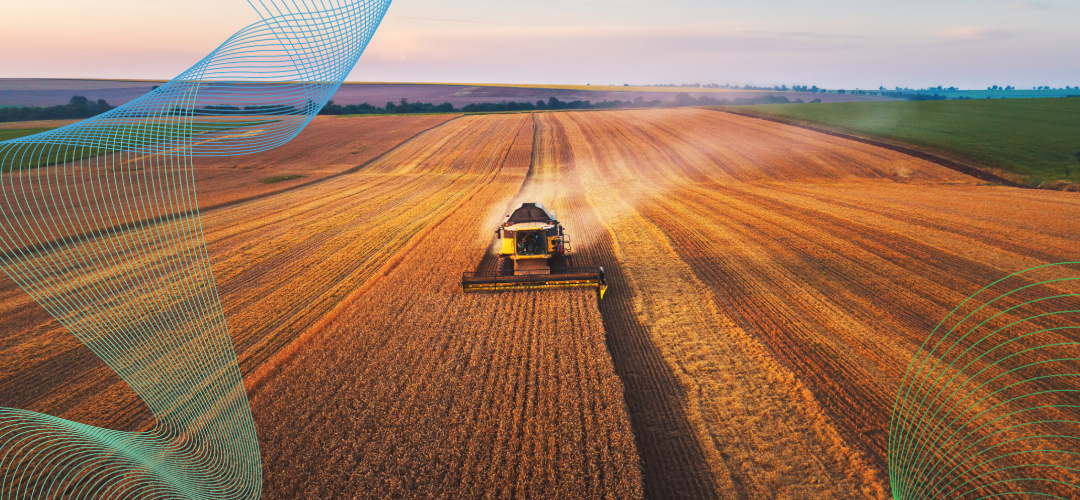
Many solar parks are built on land that was previously used for intensive arable farming. One crop, grown at scale, season after season. To keep that going, the land is ploughed regularly, fertiliser is added to replace what the crops take out, and pesticides are used to manage weeds and pests. That work keeps Britain fed, and it’s incredibly important.
At the same time, farming intensively over a long period can take a toll on the soil. Research found by the UK Parliament found that many arable soils have lost between 40 and 60 per cent of their organic carbon through intensive cultivation. Earthworms, beetles, fungi and other living things that help soil function can gradually be worn down. Even when a field looks green and productive on the surface, the life beneath it can be struggling.
What happens when the land gets a rest
A solar farm can stay in place for around 40 years, and during that time, the land is no longer ploughed or sprayed in the same way. The soil gets time to settle and recover.
The change that follows is gradual, but it is real
Organic matter begins to return. The fungi and bacteria that help plants access nutrients find the space to re-establish themselves. Earthworms come back, and although they are not the most glamorous part of nature, they do some of its most important work. They break down organic matter and carry it deeper into the soil, improving its structure and fertility. Their tunnelling creates channels that allow air and water to move through the ground more freely, reducing surface runoff and helping roots reach further. A healthy earthworm population is one of the most reliable signs that soil is functioning as it should.
As the soil becomes healthier, it can support more varied plant life, which supports more insects, which brings more birds. The whole system starts working again from the ground up, at its own pace.
At Elements Green, the idea that land can recover when it is simply given time and the right conditions is one of the most compelling aspects of what we do.
The part that reaches beyond the fence
This is the element of solar that does not get nearly enough attention.
Wildlife does not stay neatly inside a site boundary, and that matters more than it might seem. Bumblebees, butterflies and birds move through the landscape following food, shelter and nesting opportunities wherever they find them. Research from the UK Energy Research Centre has found that solar parks can improve pollination on adjacent land, helping to reconnect habitats that intensive land use has fragmented. In practice, that can mean more insects moving through the hedgerows, gardens and allotments nearby, more birds passing through, more life in the spaces between.
The benefit does not stop at the fence line. It spills outward into the surrounding landscape, quietly and gradually.
A word about grass
Good solar farm management is not just about leaving the land alone. Planning and biodiversity requirements increasingly encourage proper seed mixes, with deep-rooting grasses and native wildflowers suited to local conditions, rather than the kind of uniform single-species grass cover you might find on conventional farmland.
That variety matters more than it might sound. Different plants flower at different times of year, which means pollinators have food available across a much longer season. Deep roots help improve soil structure and allow water to soak in rather than run off the surface. A patchwork of different heights and textures creates far more useful habitat for far more species. According to the Royal Botanic Gardens Kew, wildflower meadows have declined by around 97 per cent since the 1930s, largely due to changes in farming practice. A solar farm is not the same as a wildflower meadow, but managed well, it can offer something meaningfully closer to one than the land did before.
What the research shows
Solar Energy UK’s Solar Habitat survey, produced with Lancaster University, has been monitoring what is actually living on UK solar parks since 2022. The 2024 report drew on data from 87 sites and found consistent, positive links between biodiversity-focused management and the abundance of plants, invertebrates and birds.
Pollinators are a particularly good example. Lancaster University research found that with the right management, solar sites could support bumblebee numbers more than doubling compared to sites managed as turf grass alone. Given that pollination services are worth around £400 million a year to the UK economy, and given how much pollinator numbers have declined in recent decades, that is a finding worth paying attention to.
There are encouraging signs for birds, too. A 2025 study by the RSPB and University of Cambridge in the East Anglian Fens found that well-managed solar sites supported nearly three times as many birds as the intensively farmed land next door, with threatened species including yellowhammer, corn bunting and linnet recorded in significantly higher numbers on mixed-habitat solar parks.
The picture looks similar beyond the UK. A 2024 nationwide field study across 24 solar parks in Germany found that bats were actively using solar parks as hunting grounds more than the neighbouring arable land. Separate research modelling solar parks in north-east Germany found that habitat-enhancing management within solar sites could deliver up to an 88% increase in pollinator supply compared to conventional farming practices, alongside improvements in water retention, sediment retention and carbon storage.
In Australia, researchers at the University of New England have described well-designed solar parks as potential hubs for biodiversity enhancement, drawing a parallel with artificial reefs, which introduce structural complexity into marine ecosystems and actively support species that would not otherwise be there.
The bigger picture
Underneath the panels and around them, there is soil recovering, flowers establishing, insects feeding and birds nesting. A landscape doing what landscapes do, when they get the chance.
The panels are the most visible part of a solar farm. But they are not the whole story.