
Government energy reports are rarely a light read, and wider energy stories can be difficult to untangle, too. We want to help make important information easier to understand, so here is our take on what the latest Energy Trends Report tells us, why it matters, and what it could mean for the UK as we plan for the years ahead.
What the report tells us
In the report, one figure really stands out: UK coal demand fell by 56% in 2025. That is a big number, not only because of what it says about coal, but because of what it tells us about the energy system we now need to build in its place.
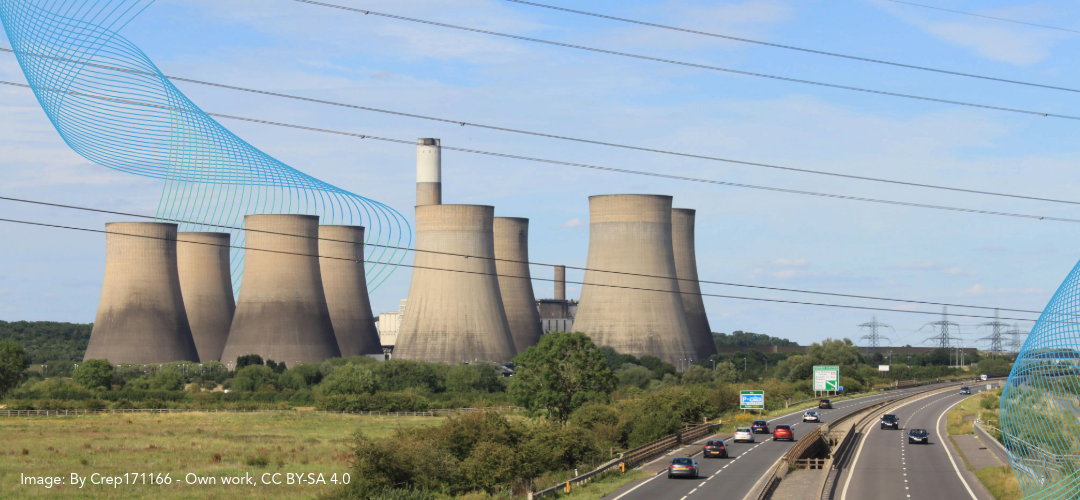
Following the closure of Ratcliffe on Soar in September 2024, the report confirms there was no coal-fired electricity generation in the UK in 2025. Coal demand has also fallen by 97% since the end of 2015, which shows just how much has changed in a relatively short space of time. (GOV.UK)
For a country with such a long history of coal, that is a real milestone. But it also brings us to a practical question: as coal leaves the system, what comes next?
What replaces coal?
The same report gives us part of the answer. Renewable generation reached a record 152.5 TWh in 2025, making up a record 52.5% of total UK electricity generation. Solar also had a strong year, rising by 37% to a record 20 TWh, with a record 6.9% share of generation. (GOV.UK)
These figures do not mean the work is done, but they do show that the shift is already happening. Solar, battery storage and grid-ready infrastructure are no longer abstract ideas for the future. They are real projects that can help the UK build a more secure, resilient and homegrown energy system.
For most people, the energy transition can feel like a big and technical subject. But at its simplest, it is about how we keep the lights on, how we protect ourselves from volatile fuel markets, and how we make sure the infrastructure we rely on is ready for the future.
Coal once provided a type of generation the system could plan around. Replacing it does not mean finding one single technology that behaves in exactly the same way. It means building a more flexible system, where utility scale solar, battery storage, grid connections and other technologies work together.
Solar can provide large amounts of homegrown electricity. Battery Energy Storage Systems can help store power when generation is high and release it when the system needs support. Together, they are part of a system better suited to the way energy is now produced and used.
Why energy security matters
The Energy Trends Report also shows that the UK’s net import dependency remained at 43.5% in 2025, while fossil fuel dependency was still 75.2%. In plain terms, this means the UK has made real progress, but it is still exposed to fuels and markets it cannot fully control. (GOV.UK)
That is why this conversation has moved beyond climate alone. The climate case for renewables remains important, but recent years have shown that energy security is just as important to people, businesses and communities. When energy prices rise sharply, the effects are not theoretical. They show up in household bills, operating costs and long term planning decisions.
Solar and storage do not solve everything on their own. They do not. But they are part of a more sensible and more resilient system, one that gives the UK more control over how power is produced, stored and managed.
What Berlin reminds us about resilience
The same thinking applies to grid resilience. In January 2026, an outage in southwest Berlin left around 100,000 people without electricity after high-voltage cables were damaged near a combined heat and power plant. In some households, disruption lasted up to five days, affecting power, heating and water supplies. (Beyond Fossil Fuels)
A second report on the same event described around 45,000 homes and more than 2,000 businesses being affected, with schools, communications and public services also disrupted. It also highlighted the risk of concentrating multiple power lines in one place, describing it as a single point of failure for critical infrastructure. (Canal Solar)
That example is not included here to suggest that one technology can prevent every outage. It simply cannot. But it does show how quickly energy infrastructure becomes personal when it fails. Beyond Fossil Fuels noted that the outage sparked wider interest in small-scale energy solutions, including solar, batteries, local storage and flexible demand, not as ideology, but as practical tools that can help communities cope when central systems fail. (Beyond Fossil Fuels)
The lesson is straightforward. A more distributed and flexible energy system gives us more options when something goes wrong. Solar projects, storage assets and grid-aware development can help reduce reliance on a small number of critical points, making the system less exposed to single points of failure. Canal Solar also noted that decentralising generation, together with storage, can reduce dependence on large and vulnerable infrastructure. (Canal Solar)
Delivery is the real test
Different countries have made different choices about energy security. France, for example, leaned heavily into nuclear after the energy shocks of the 1970s. The UK’s near-term route is different. It relies on faster deployment of renewables, storage, grid reform and the practical infrastructure needed to connect everything together.
That is where delivery becomes important. It is easy to talk about transition in broad terms, but the work itself is very real. It involves land, grid connections, planning, environmental assessment, community engagement and long-term stewardship.
At Elements Green, this is the kind of work we know well. With 22 years of experience in renewable energy development, we understand that good infrastructure is not built through ambition alone. It is built through careful decisions, proper engagement and a clear understanding of what each project needs to deliver.
The Energy Trends Report gives us a useful moment to pause and look at where the UK energy system is heading. Coal is leaving the system. Renewables are growing. Solar and storage are becoming more important. The next step is making sure the infrastructure is delivered with the care, pace and experience the country needs.
The direction is clear. Now it is about building what comes next.